A Garden of Philippine Native Trees at Rizal Park, Luneta
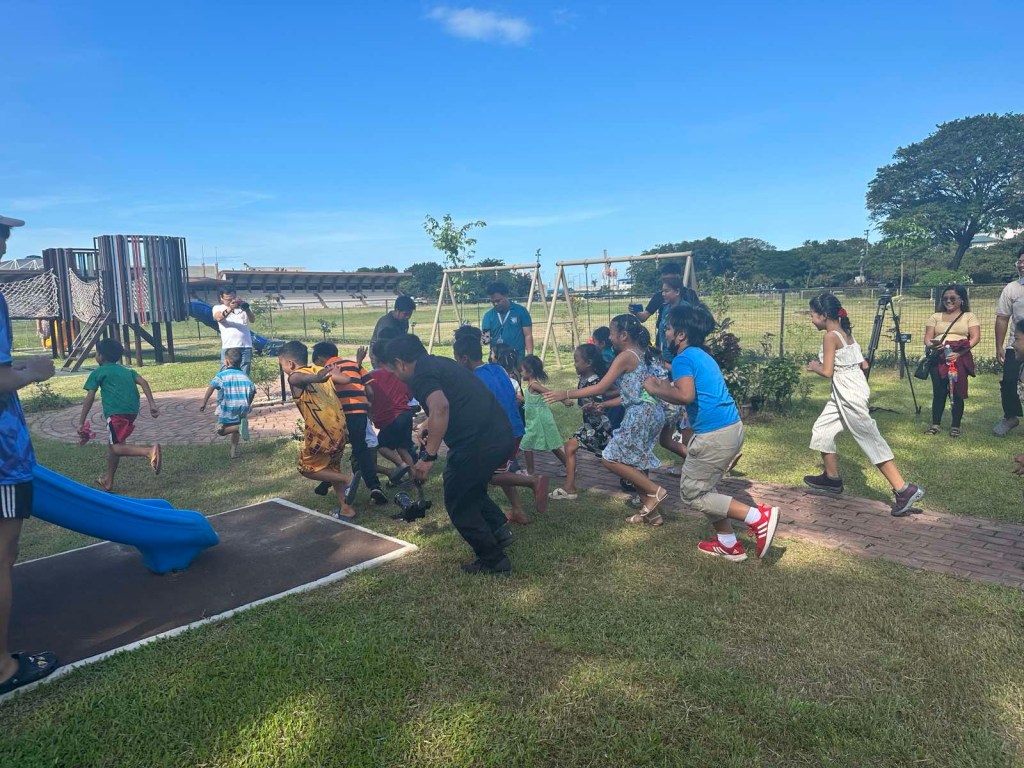
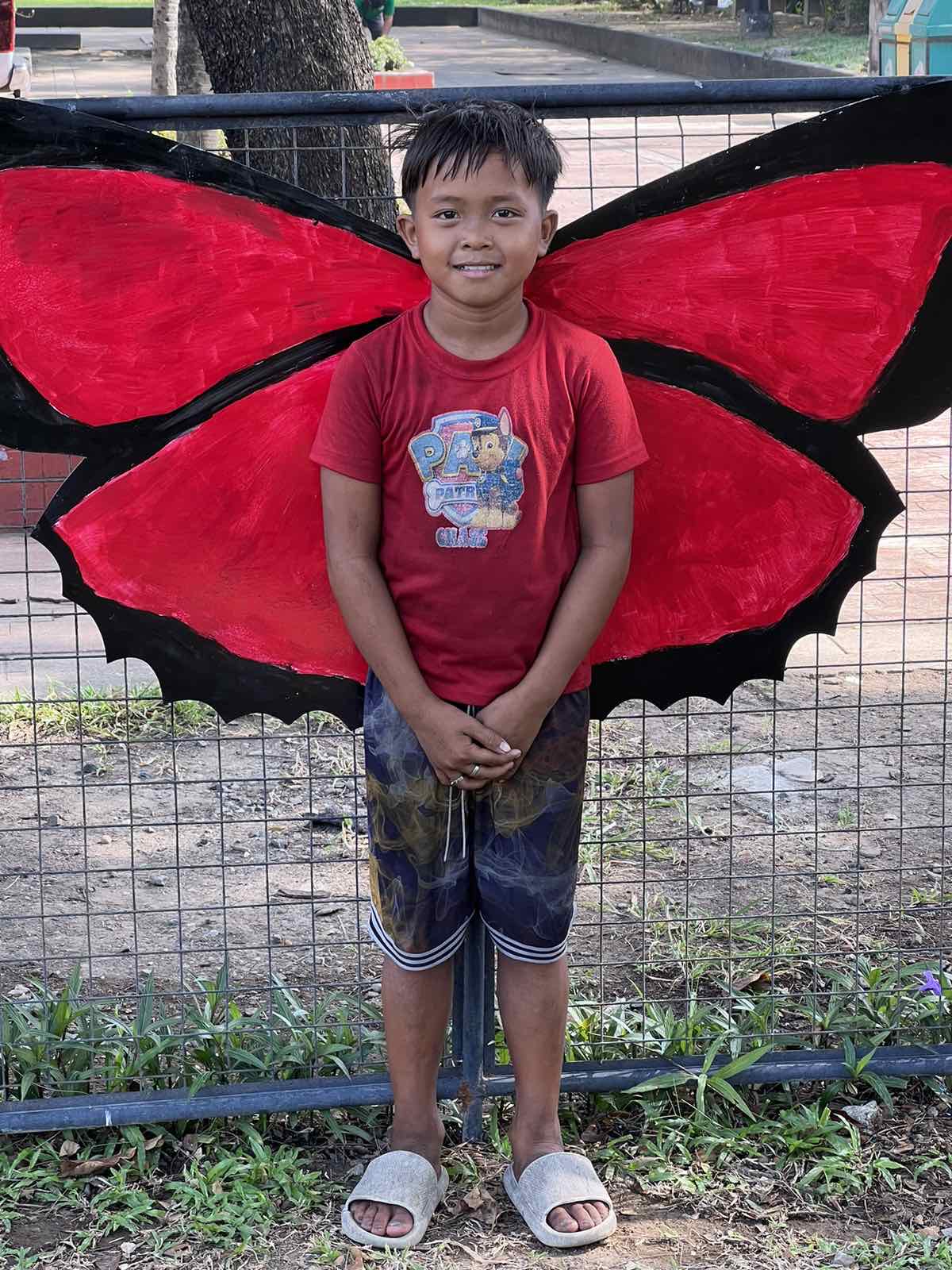
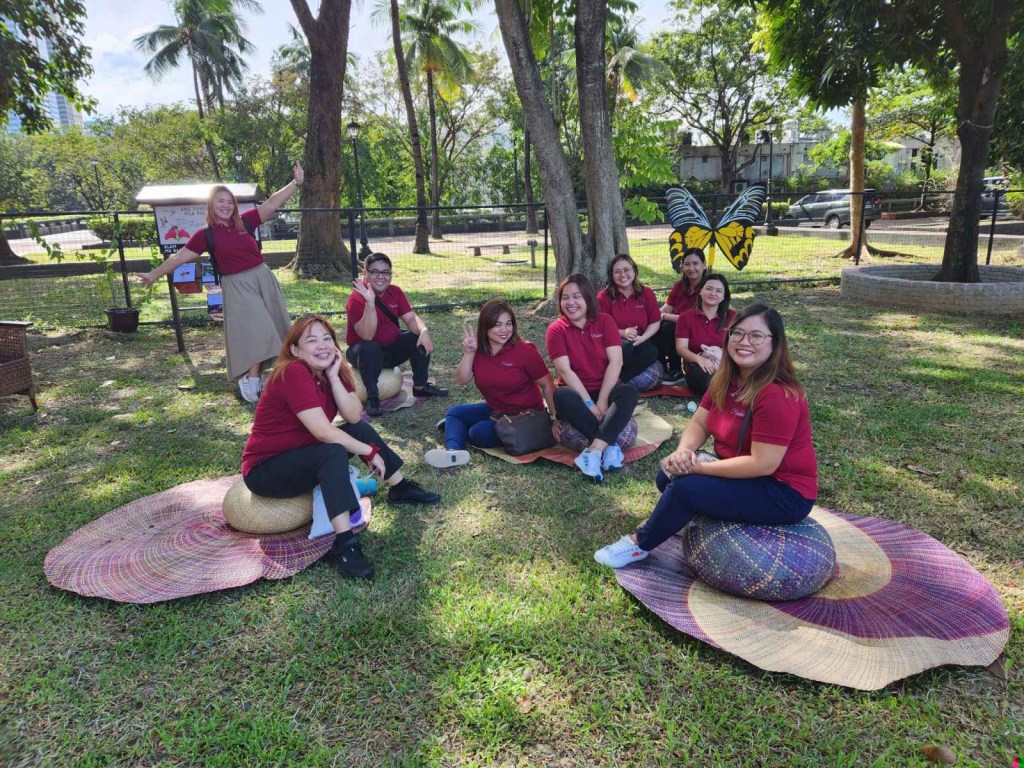
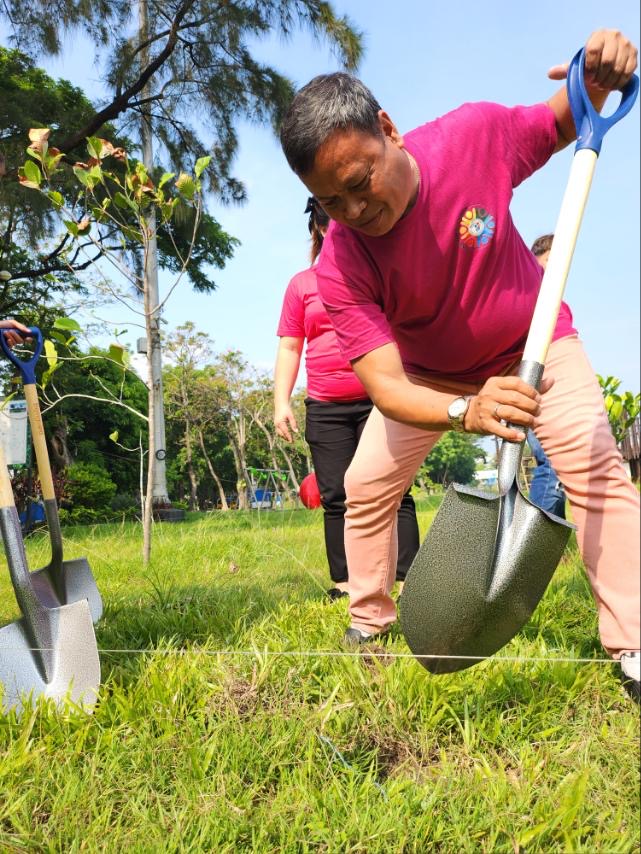
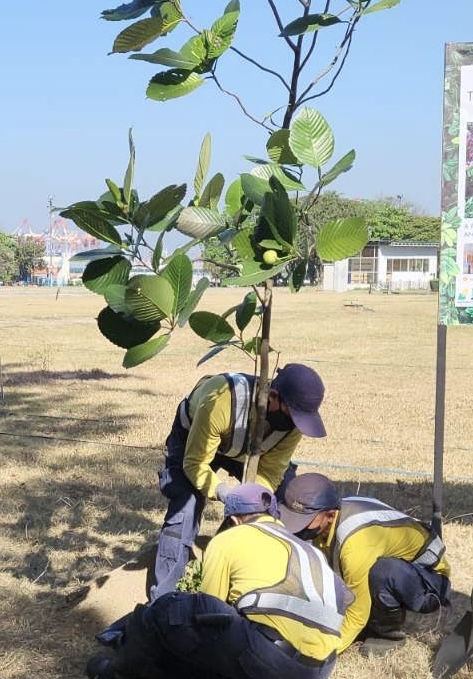
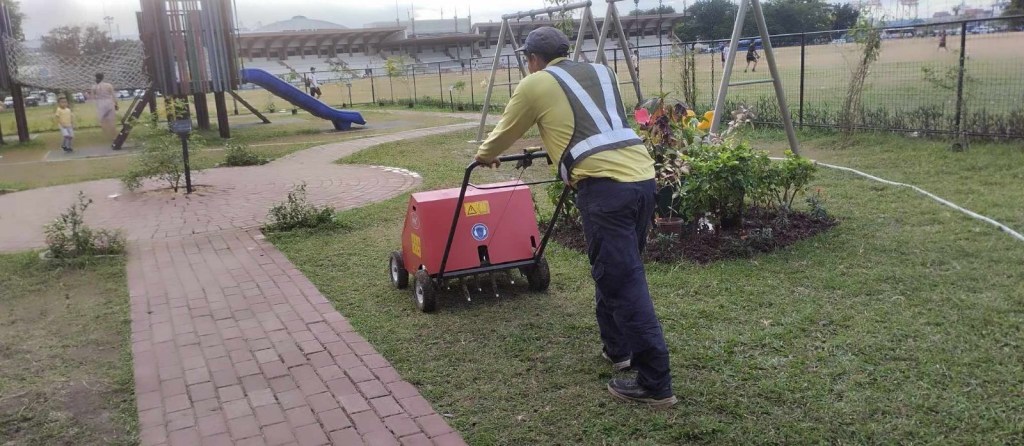


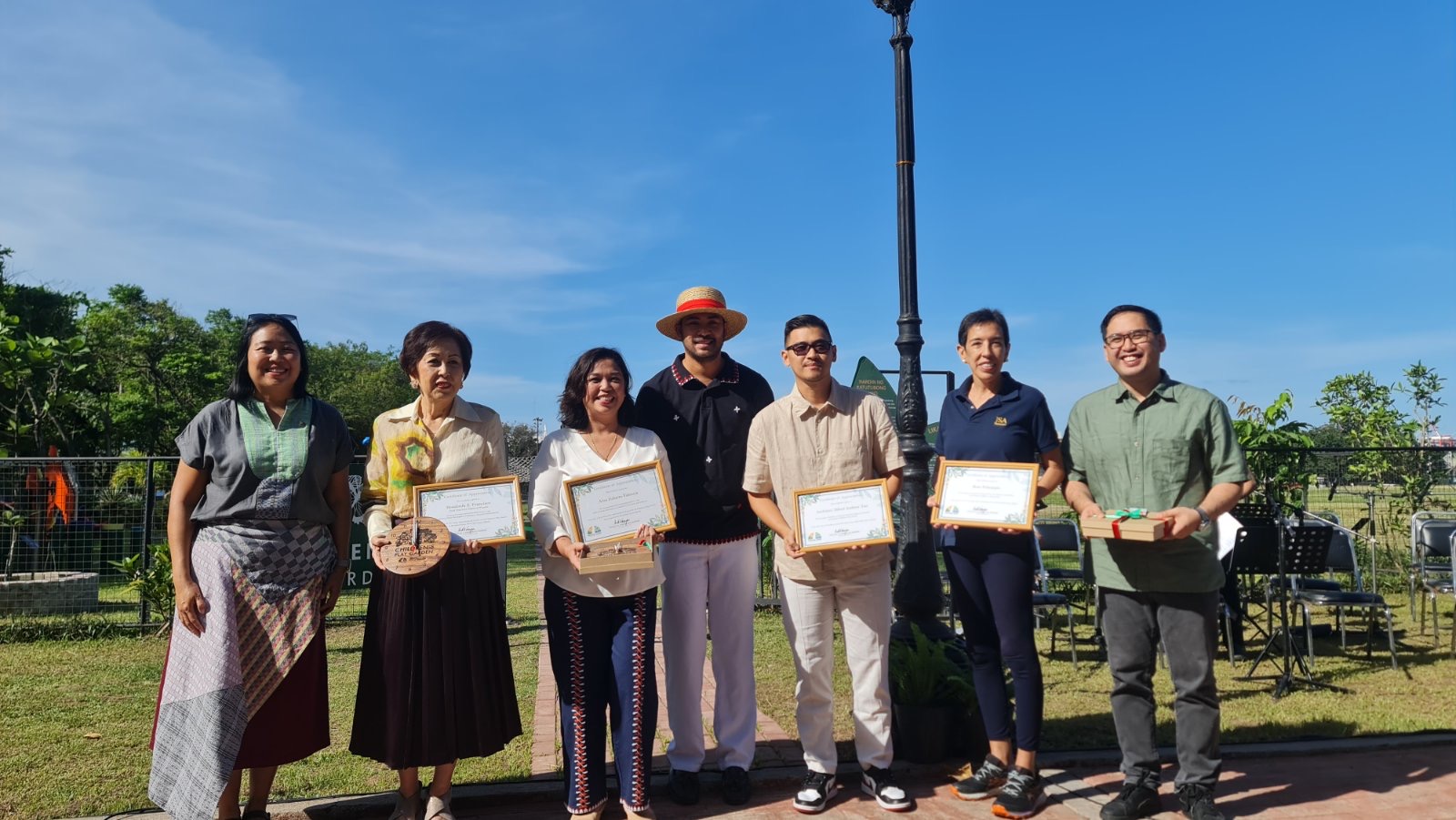

Bayanihan from bayan (country) is a value commonly shared among Filipinos. It is a way of being in the world where sharing and participating in collective efforts strengthen bonds and help make communities adaptive and resilient. This project hopes is guided by this Filipino bayanihan spirit.
Building a DiFFERENT KIND OF PlayGROUND and GARDEN
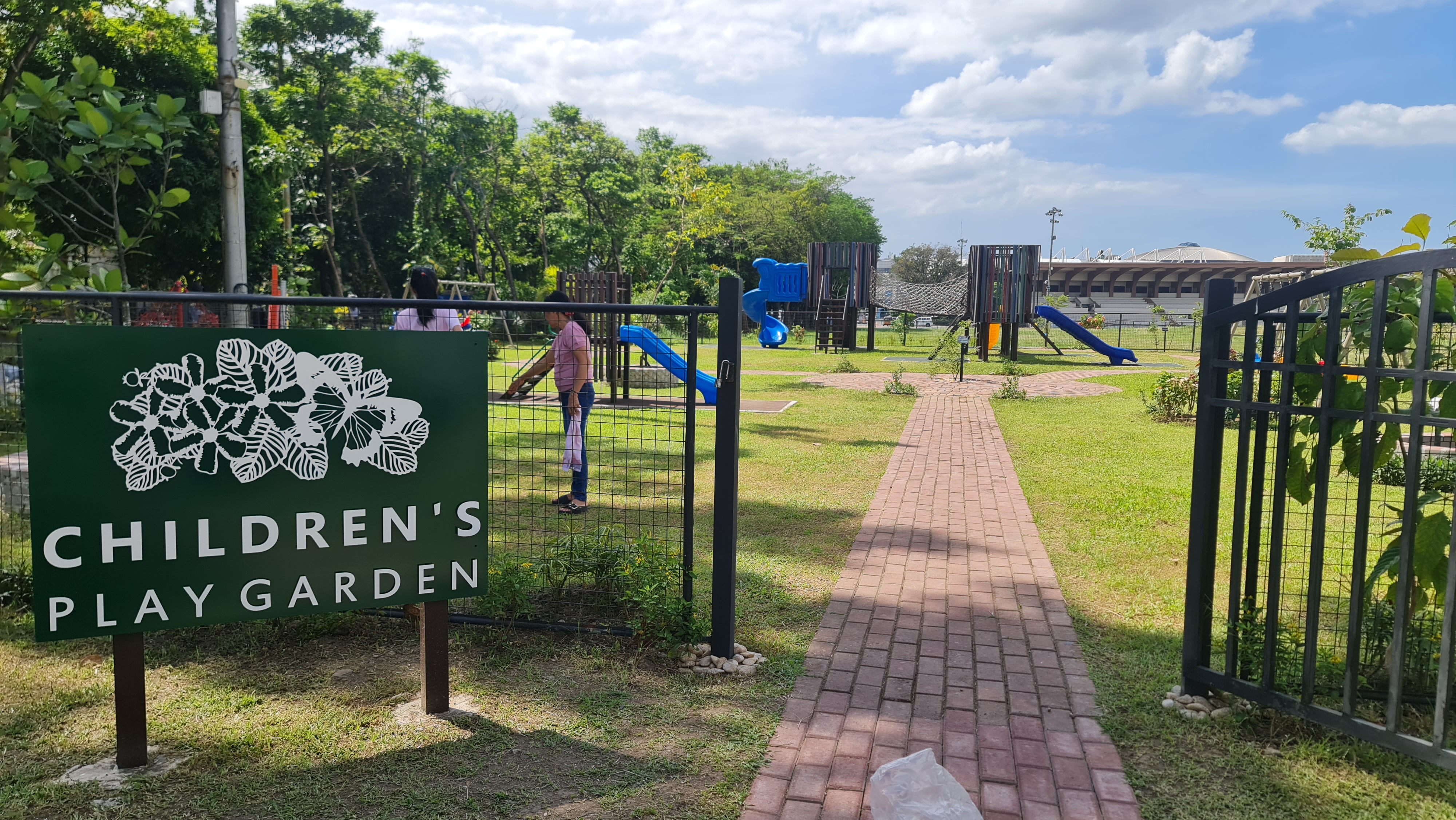
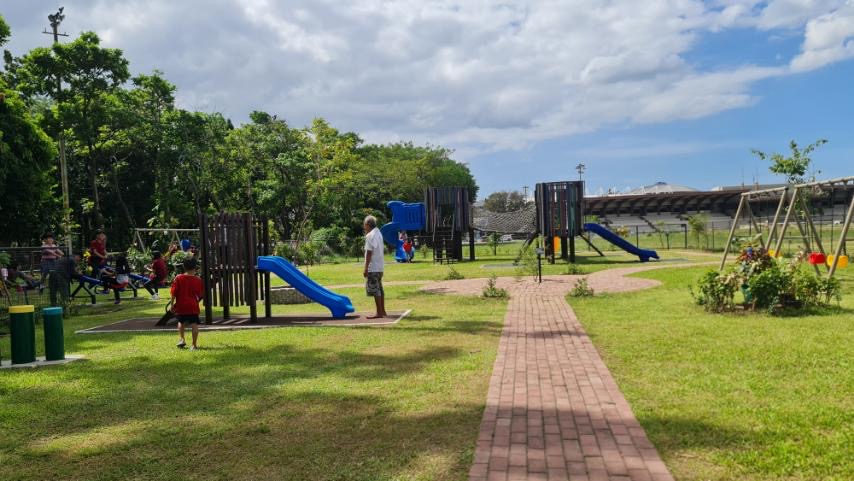
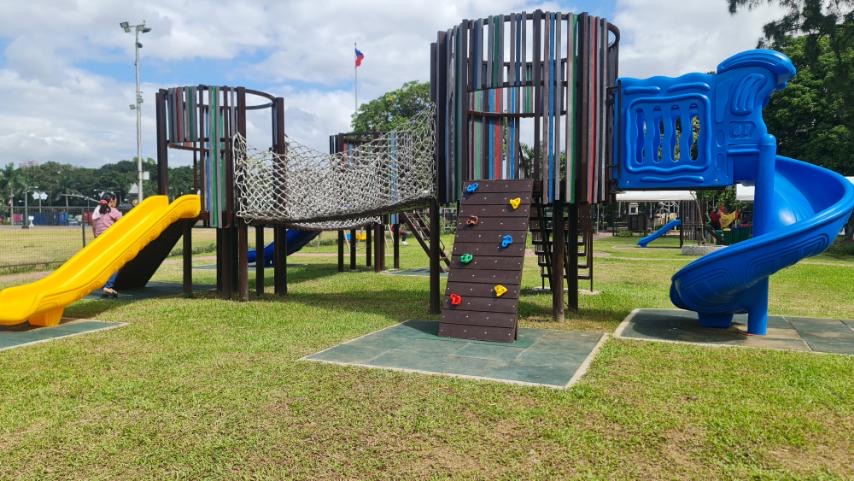
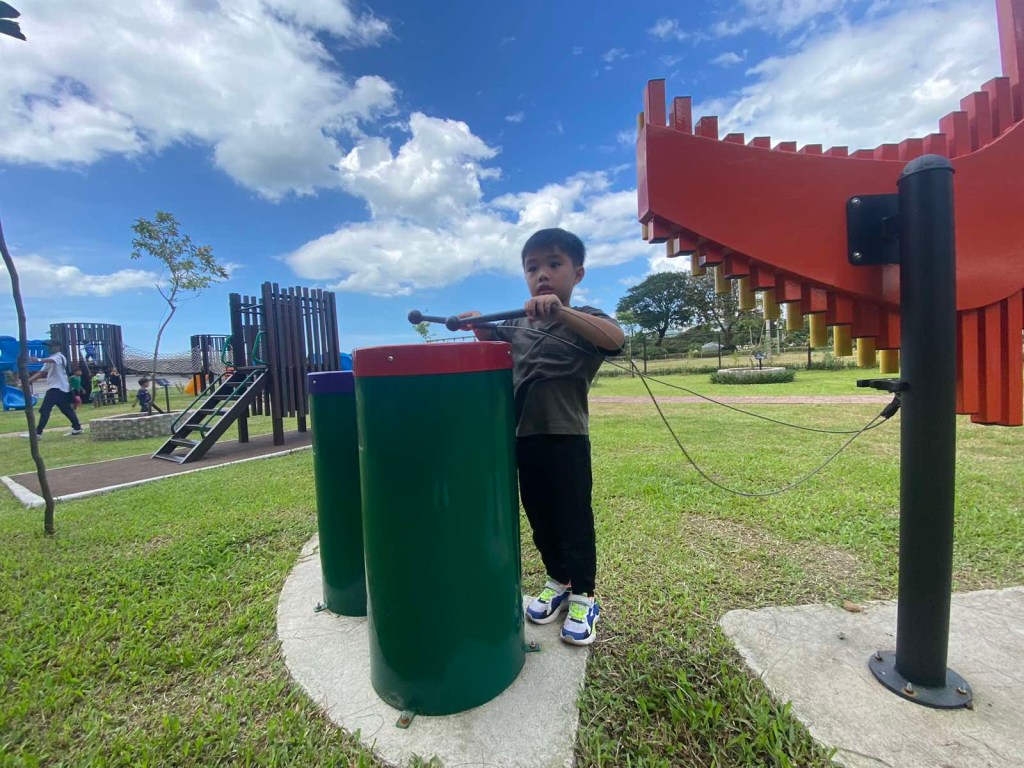
The Children’s Play Garden was opened to the public on November 17, 2023. It is a collaborative project in partnership with the National Parks Development Committee (NPDC) under the Philippine’s Department of Tourism. It is an 800 square meter space in a corner of Burnham Green, in the western side of Rizal Park fronting the Quirino Grandstand. The Children’s Play Garden is a space for children to play in nature while learning about our indigenous and endemic native trees and plants, so it functions also as a learning garden or mini arboretum. Landscape Architect Tovie del Rosario, Lydia Robledo and Rose Policarpio, were co-collaborators in choosing the 30 native Philippine trees for the site. Care was given in choosing appropriate trees. suited to an urban setting. These native tree species, each with their signage and QR code give visitors an opportunity to learn more about our native trees. I designed the playground and play pods together with Architect Alfred Andrew Tan. The trees are mainly found along the perimeter to give ample space for children to run and play. The three main cylindrical play stations are built with metal and feature rails made of plastic lumber- close to 1 ton of recycled plastic lumber made of HDPE plastic bottle caps were used for the structures. The design was meant to blend into the natural environment of the space.
This project was undertaken as part of my MFA thesis at Lesley University School of Art and Design, Cambridge Massachusetts (Between 2021-2023). I was interested in integrating both a painting practice and a studio practice, following the example of artists who enter into civic projects, finding solutions together with communities and other sectors for our most pressing urban problems today.
Collaborative Project
The project supports the idea that artists can carry the role of instigator, convenor, and conduit between communities, government institutions, non-profit groups, private corporations, and in this case- architects, landscape designers, environmentalists and volunteers in social projects. In collaborative work, artists enter into alliances that can create an open and dynamic space where other voices are heard, and a process of sharing ideas becomes a powerful tool in addressing the most common problems we have today.
The pandemic showed us how a disconnection and an oppressive stance towards nature has brought the world to a precarious state of climate chaos, disease and tragedy. It also showed us the dire need of Metro Manila citizens to have access to parks for their own wellbeing, especially the children.
Rizal Park Luneta
Rizal Park is one third of the remaining 12 percent green open space in the city of Manila, the most dense in Metro Manila, the National Capital Region. It is the Philippine’s National Park, a memorial site of our national hero Jose Rizal and other Philippine martyrs. It is 58 hectares of gardens, memorial spaces, picnic areas, gardens as well as an auditorium. There are about 4,000 trees in the park, half of which are exotic trees, 400 of which are the invasive Mahogany. Planting more native trees in our public parks and city streets helps cool our cities and bring back the wildlife in our urban areas. Planting only native trees protects our country’s rich biodiversity. There is an estimated 3,200 native tree species in the Philippines.
The Children’s Play Garden is an artistic gesture, a living art form that hopes to reconnect park visitors, especially children to nature and to our ecological inheritance.
– Aina Valencia, January 2024
 Aina Zulueta-Valencia